

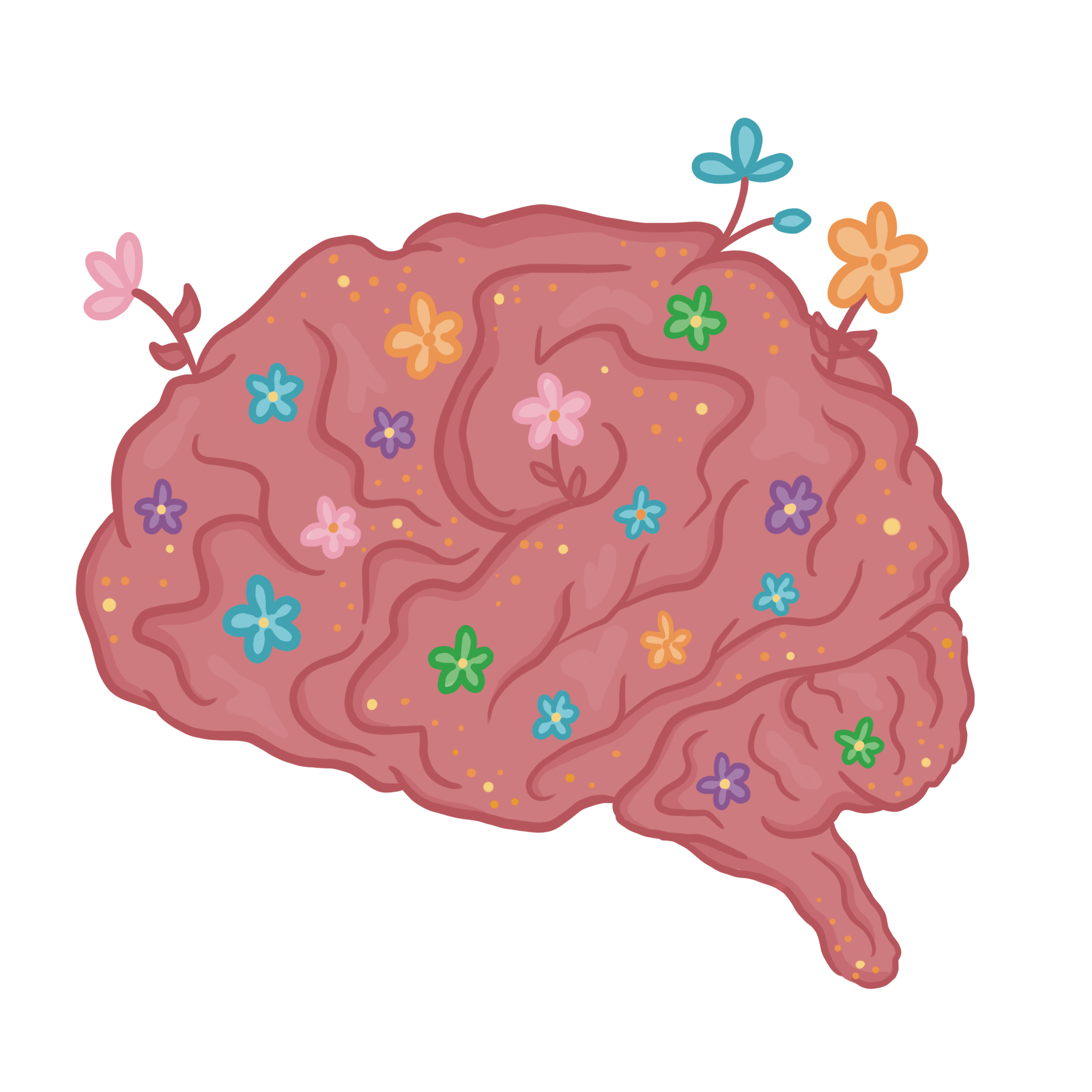
Stop me if you’ve heard this before: you’re at a family dinner, out with friends, or having a classroom discussion, when suddenly, a topic that you are passionate about comes up, or an insecurity is brought up — the conversation accidentally turns into an argument. We’ve all had moments where staying calm would have been better, but we didn’t.
I recently had an experience where I didn’t realize that I was having strong emotions and an adrenaline rush until after the fact, when I was stuck in my dorm bathroom having a panic attack and feeling sick. It can be hard to realize that internally our bodies are freaking out and that we’re overwhelmed at the exact moment where it is all happening. But why does this happen?
Our strong emotional reactions don’t come out of nowhere, they can be formed by our genetics, past experiences, stress, and neurodivergence. It’s hard to find a technique that helps us manage these emotions, especially with what’s going on in the world right now. We are constantly exposed to distressing news and it increases our baseline stress levels, making it even harder to regulate our emotions.
Emotional dysregulation is what happens when you struggle to manage your emotions in a way that is appropriate to the situation. Basically, things can suddenly stress you out or cause an outburst, when they perhaps shouldn’t. It does not mean we’re being too emotional, it’s just that our emotional system activates quicker and more intensely than it should, which takes longer to calm down from.
Emotional dysregulation can be caused by extremely stressful situations, but is also more common in neurodivergent people, such as those with ADHD. I think we all at some point have heard of breathing methods for calming down, or paying attention to our feelings and emotions to help regulate. These methods are pretty common, and I have tried them, but they often fall short for me. I have ADHD, and sometimes one thing can suddenly bring on disproportionate emotions that are hard for me to handle. After some additional research, I was able to find a number of alternative techniques for managing emotions for people with ADHD, and who are neurodivergent in general.
It’s important to take care of yourself after experiencing intense emotions. Earlier I mentioned my panic attack — it happened after I was in a situation where I had to talk to multiple people at once, who all had cameras and were recording me, and were generally quite horrible. After my panic attack I thought I would be fine, that I went through it and it was done, but for a couple weeks after I still felt strong emotions and got triggered. Regulating after all that requires self-compassion instead of shame. I would constantly replay the situation in my head and stress about what I could have said or done differently. This is a pointless battle because no amount of overthinking can change what’s already happened, and to get out of that loop I found that journalling helped a lot. According to Open Arms Wellness, reflective journaling helps make sense of our experiences and strengthens a deeper self awareness. It lets us figure out the positive and negative takeaways of what happened and prepares us for future conflicts.
One of the techniques that I found has worked the best is pre-planning my triggers. Let’s talk about family. I am sure that many readers have had an argument with a family member, where one might experience stronger emotions than normal. For me this comes up when I discuss politics with them, and especially when we disagree. I feel different than I do when just talking to a non-family member. Part of my pre-planning now comes with an escape method. I do enjoy talking with my family about politics, but sometimes I hit a wall and I don’t feel prepared to continue on. When that happens, it’s time to start setting boundaries. An article from Achieve Counseling & Wellness suggests setting topic barriers which I found most helpful, because avoiding topics that can cause tension and communicating clearly that you don’t want to participate in something is a great way to approach it — at least in my experience.
I have to be honest, I haven’t given all these techniques an actual real try yet, but I plan to, and I think we all should give it a shot when it comes down to it. There are a million things out there everyday that have the potential to disturb your peace, and I believe that it’s important to take a step back and focus on yourself. We can’t help the world without helping ourselves first.
